International Conference
International Conference
2026-27 Inha CIS K-Academic, 2nd Colloquium
- Created 2026.10.07
- PresenterInja Lee
- Views32
How Is an Ethnic Community Reconstructed? — Generational Transition in the Korean Community in Japan and the Shifting Boundaries of Ethnic Organizations
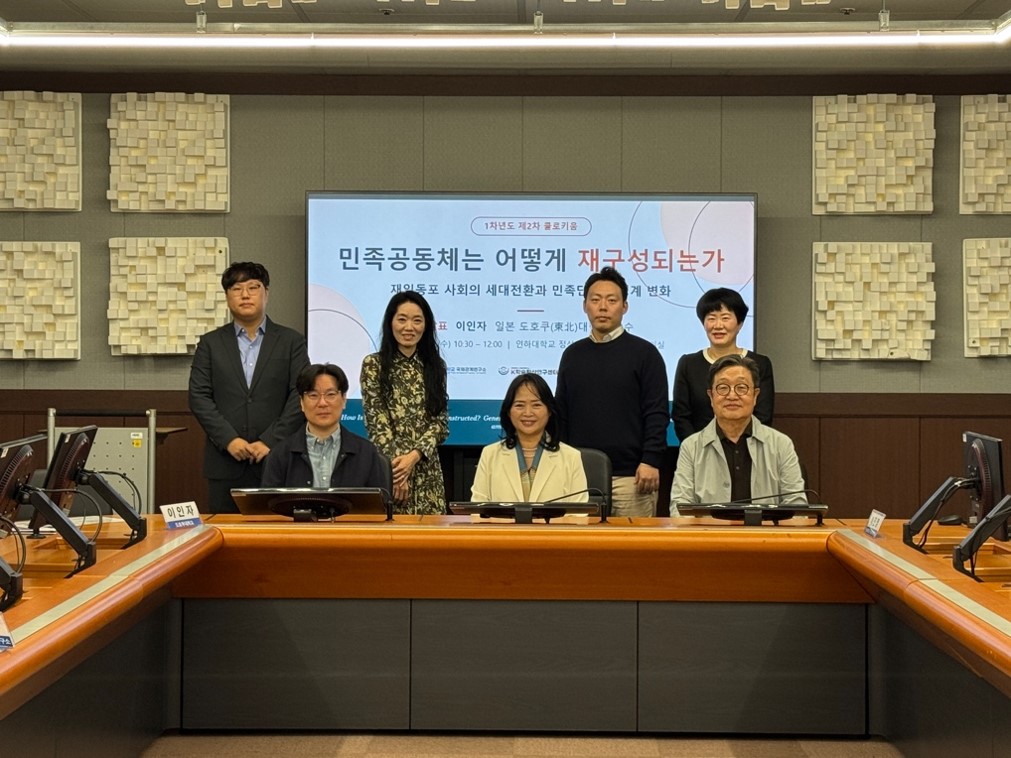
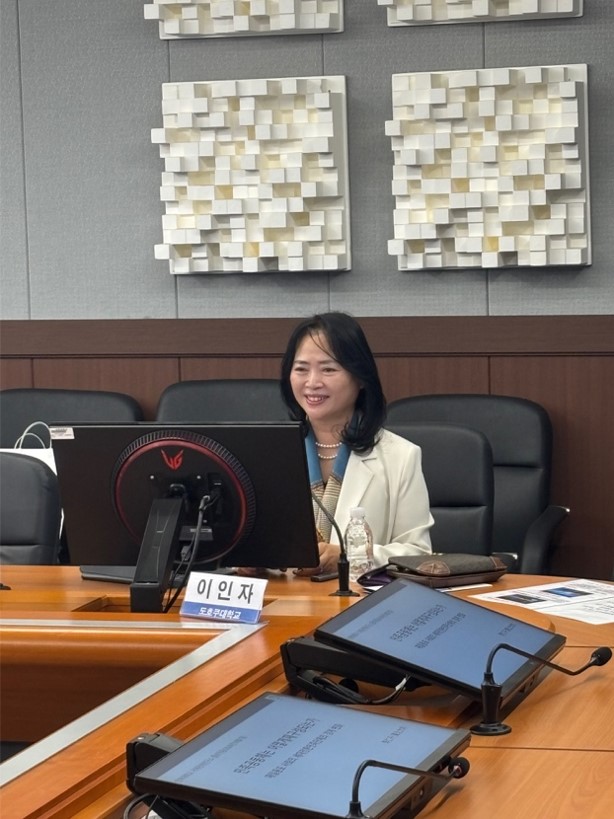
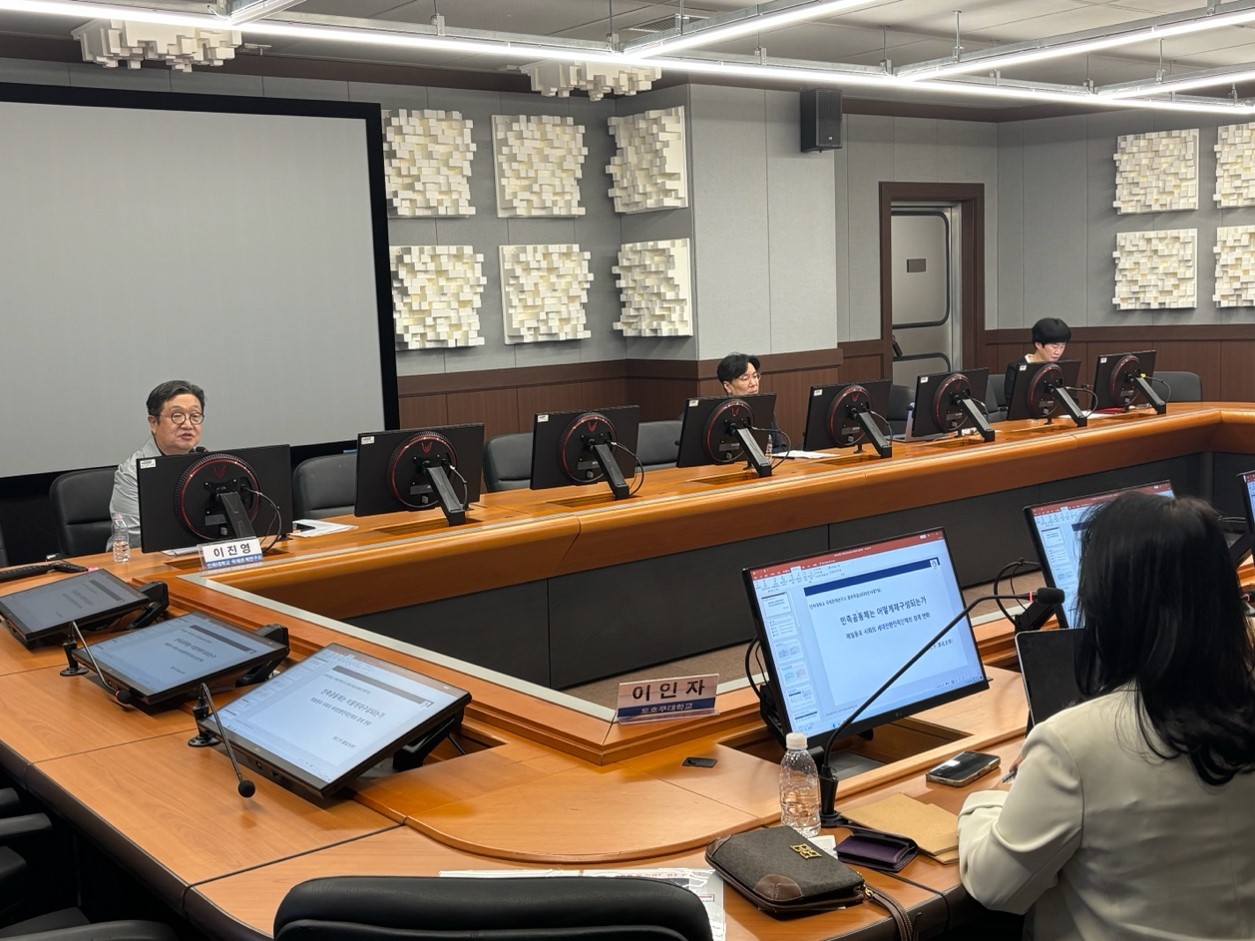
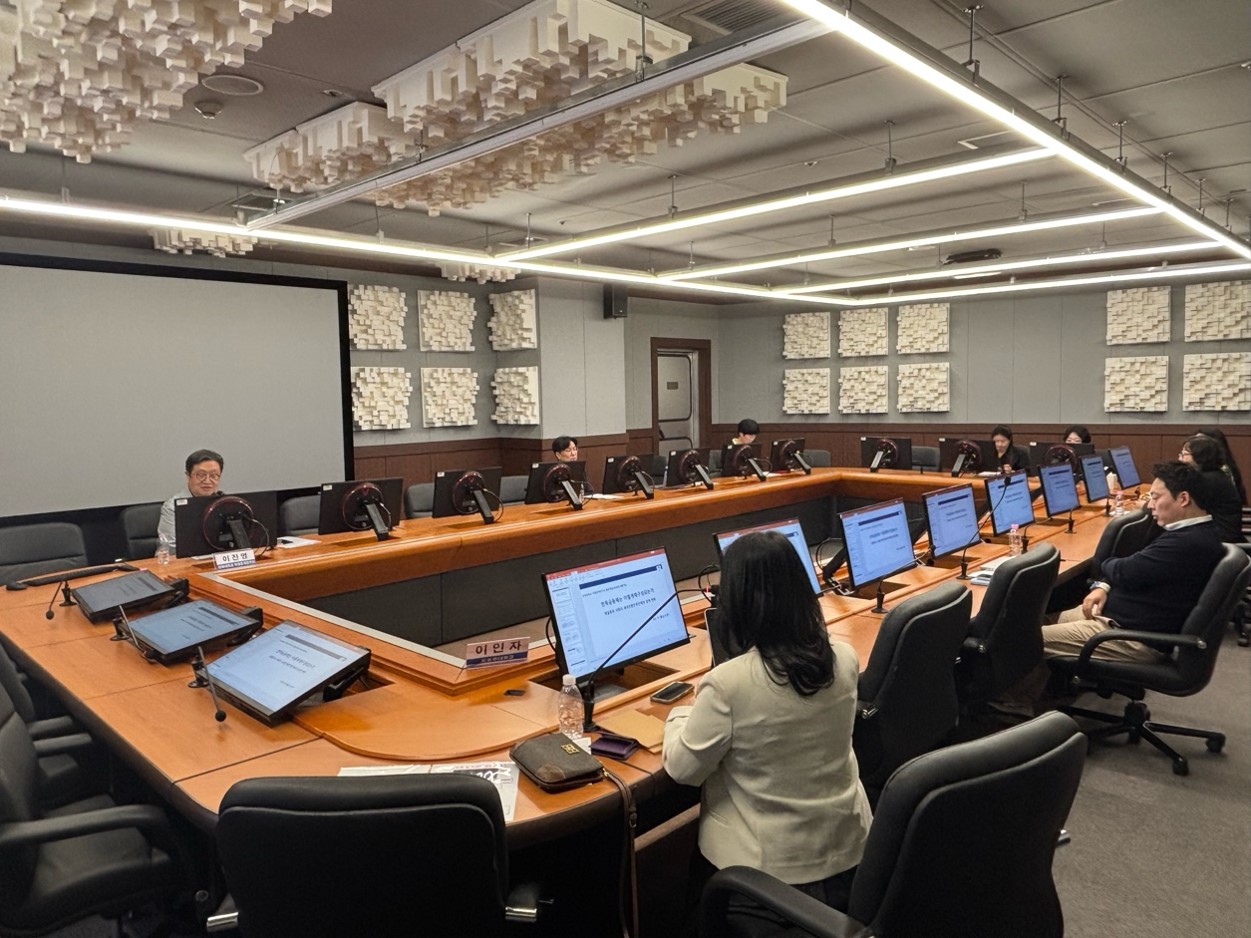
On Wednesday, October 7, 2026, the K-Academic Diffusion Research Center of the Inha Center for International Studies hosted its second colloquium of the year in the main conference room on the fifth floor of Inha University’s Jungseok Memorial Library. The colloquium featured a presentation by Associate Professor Inja Lee of Tohoku University’s Graduate School of Education titled “How Is an Ethnic Community Reconstructed? Generational Transition in the Korean Community in Japan and the Shifting Boundaries of Ethnic Organizations.”
Discussions of the Korean community in Japan have often centered on concerns about its very survival, as generations turn over and more members take Japanese citizenship. The presentation started from a different observation. Since the 1980s, a new wave of Korean migrants known as “Shin-Zainichi” has settled in Japan, and as they take a more active role in Mindan (the Korean Residents Union in Japan), they are prompting fresh questions about who belongs to the community and whom ethnic organizations represent. Professor Lee posed three questions: under what conditions does generational change in local Mindan branches become a process of restructuring rather than simple succession; through what channels do Shin-Zainichi enter branch operations and leadership; and how do local conditions and organizational culture shape the pace and form of that restructuring? The analysis drew on survey data from the Mindan Vision Project (MVP), historical officer rosters, membership dues and household records, interviews with branch heads and administrative staff, and fieldwork observations.
The presentation began with an overview of officer composition across Mindan’s 21 branches in Tokyo. Seventeen branches are still headed by long-established Zainichi Koreans. In 18 branches, however, the chief administrative officer is Shin-Zainichi, suggesting that generational change is taking hold in day-to-day operations before it reaches top leadership.
Two branch case studies then illustrated contrasting paths of change. The T branch in Ikebukuro represents what Professor Lee called “gradual internalization.” In this small branch, memories of the parents’ generation and the habit of paying dues keep the organization going, while Shin-Zainichi members are gradually drawn in through administrative work and the trust built around it. The S branch in Shinjuku, by contrast, illustrates “vacancy-driven restructuring.” When the planned handover of leadership to a second-generation head fell through in 2006, the resulting gap opened the way for Shin-Zainichi to move quickly into officer roles. In 2009 the branch elected its first Shin-Zainichi head, and a period of renegotiation over Mindan’s assets and organizational norms followed.
Professor Lee emphasized that generational change does not happen automatically, and that the integration of Shin-Zainichi follows different paths depending on each branch’s history, location, and organizational culture. She also argued that Mindan’s buildings, dues, and officer positions are not merely assets or titles but carriers of community memory. The central challenge, she noted, is how to pass on that history and an ethic of stewardship to new members. The presentation also introduced the current state of Korean Studies education in Japan's Tohoku region, where Professor Lee teaches.
The discussion was moderated by Professor Jean Young Lee, Director of the Inha Center for International Studies, with Research Professor Seungjae Lee and Researcher Ryo Tahara of the Inha Center for International Studies serving as designated discussants. Also joining the discussion from the audience were Jaehwan Jung, Deputy Director of the Inha Center for International Studies and Associate Professor in the Department of Political Science and International Relations, and Sook Heo, Research Fellow at the Center for Multiculturalism and Social Integration, which operates under the Inha Center for International Studies. The discussion and Q&A session explored the changing Korean community in Japan and the challenges facing its ethnic organizations going forward. Participants also discussed ways to expand Korean Studies in Japan's Tohoku region.
The colloquium offered a new way of looking at the Korean community in Japan: not as a community in decline, but as one renegotiating its memory, practices, assets, and sense of public purpose. It also provided an opportunity to reflect on the relationship between Korea and its overseas communities, as well as on the current state of Korean Studies abroad.